The Fall Frenzy: A Friendly Checklist for your Garden this Fall
As summer winds down here in Montgomery County, and the air turns crisp, the garden work is far from finished. From harvesting, to prepping, and even planting new crops, we’ve got you covered on your Fall checklist in the USDA Hardiness Zone 7b garden!
1. Plant Cool Season Crops.
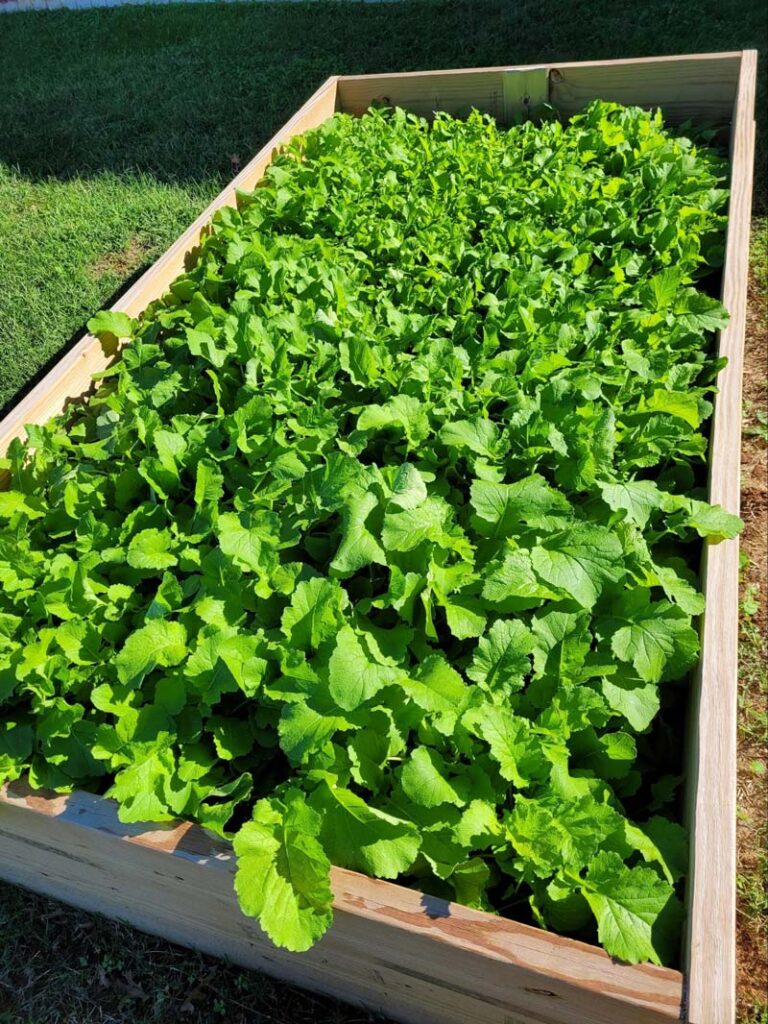
Even though the time for planting warm-weather crops has passed, you still have so many options to plant in September and October! Try planting kale, spinach, collards, turnips, radishes, beets, lettuce, and mustard greens. You also want to get those carrot seeds and garlic bulbs in the ground so they’ll be ready for the spring and summer!
2. Bury those Bulbs!
If you love a colorful spring garden, now is the time to plan ahead for blooms aplenty. Once the soil cools around October and November, it’s safe to plant those bulbs in the ground. Great choices for middle Tennessee include daffodils, tulips, hyacinths, and alliums. Choose perennials so you have those bulbous blooms year after year!
3. Divide and Multiply.
Speaking of perennials, it’s probably time to divide those plants that have outgrown their space, as well as plant new ones to fill in the gaps. Native plants like Echinacea (coneflower), Milkweed, and Black-Eyed Susans are perfect for dividing and replanting in areas around your garden. Just be careful when separating the roots, and your plants will resettle in their new spaces in plenty of time before the first frost!
4. Tuck your Garden Bed in for the Winter.
Pull out spent summer crops and add compost, aged manure, or shredded leaves to enrich your beds. Don’t forget to add those spent summer crops to your compost! If you want to prevent erosion or suppress weeds, plant a cover crop like crimson clover or winter rye. Finally you can mow over fallen leaves to chop them up, then mix them right into your garden beds. Over the winter, they’ll break down into rich, organic compost.
5. Leave the Leaves!
Instead of raking and bagging up your leaves to be transported to the landfill, leave those leaves right where they are, or move them as a cover for your garden beds. While it’s important to clean up your garden a bit at the end of the season, you want to be careful not to remove everything that can be so vital to those beneficial insects and worms to survive through the winter. Some of those plants make for great habitats for these little guys, so help them out by leaving what you can for the spring. You will want to remove diseased plants and anything you don’t want overgrowing in your garden next year, though!
6. Plant Trees and Shrubs
Fall is actually the best time to plant trees and shrubs in Zone 7b. The ground stays warm enough for roots to grow long after the leaves fall. Consider planting Dogwoods, Redbuds, Oakleaf hydrangeas, and Viburnums. Just remember to water deeply every week until the ground freezes. Your plants will reward you with healthy growth next spring. And whatever you decide, please do not plant any non-native invasive species like the Bradford pear.
7. Winter is Coming…Prepare for the Frost!
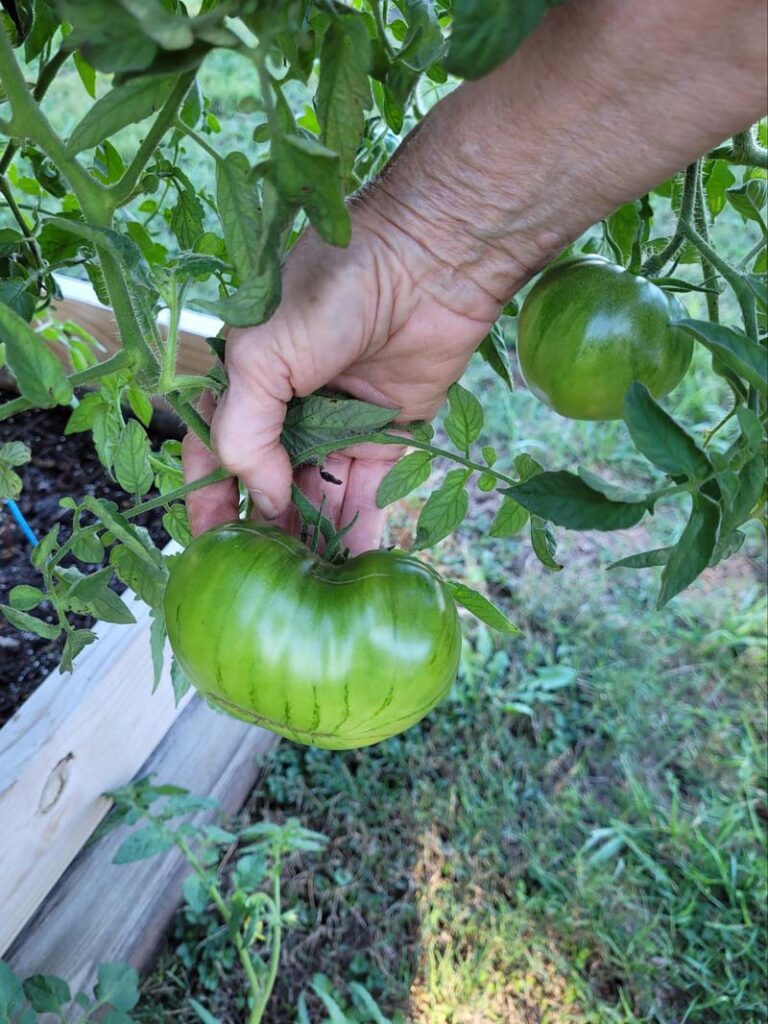
Our first frost in Clarksville typically arrives in late October or early November. Keep an eye on the weather and be ready to protect tender plants. Cover delicate crops with frost cloths or old sheets. Move potted tropicals or houseplants indoors when nights dip below 50°F. Harvest green tomatoes before the first freeze as they’ll continue ripening indoors.
8. Plan ahead for next season!
When the weather turns chilly, take some time to reflect and prepare for the year ahead. Note in your garden journal what thrived and what didn’t. You can sketch new bed layouts for spring, clean and sharpen tools, and drain your garden hoses before freezing temperatures hit. Winter is also a great time to order seeds, as many Zone 7b gardeners start seeds indoors as early as January!
Happy Fall Gardening, Friends!